
Why Solar System Classification Matters for Off-Grid Projects
1. Introduction: Why Solar System Classification Matters
Off-grid solar power systems have become the mainstream power solution for remote surveillance, industrial IoT monitoring, construction site security, farm monitoring, and forest fire prevention.
However, most system integrators, distributors, and project buyers often face the same problem: they do not know which solar power system matches their camera or IoT device, they confuse low-power IoT solar systems with CCTV solar power systems, or they choose an insufficient power system that causes frequent offline issues.
In the outdoor security and renewable energy industry, all off-grid solar power solutions are divided into three fixed categories based on professional industry standards. This guide explains the official classification rules, power ranges, working modes, technical differences, and application scenarios of the three types of solar power systems.
2. Industry Official Classification Standards for Solar Power Systems
Before selecting equipment, users must understand the five core classification criteria used in the global off-grid solar industry:
- Continuous load working power
- Daily power consumption (Wh)
- Device working mode (intermittent sleep or 24h continuous operation)
- System DC voltage level
- Actual application load type
According to the above standards, solar power systems are divided into: Low Power IoT Solar Power Systems, Small CCTV Camera Solar Power Systems and Heavy-Duty High-Power Solar Power Systems.
3. Low Power IoT Solar Power System (0.1W – 5W)
3.1 Working Principle
Low-power IoT solar systems are designed for intermittent working industrial equipment. Most IoT sensors remain in deep sleep mode and only wake up periodically to collect data and upload signals. This feature requires extremely low standby power loss.
3.2 Technical Parameter Standard
- Continuous load power: 0.1W – 5W
- Average daily power consumption: below 10Wh
- System voltage: 3.7V / 5V / 12V
- Solar panel power: 0.5W – 30W
- Battery capacity: 2000mAh – 20Ah mini lithium battery
- Control mode: ultra-low microamp standby consumption
3.3 Typical Application Devices
- Soil moisture sensors
- Water level monitoring equipment
- Vibration and displacement collectors
- Meteorological IoT terminals
- LoRa and 4G data transmission modules
3.4 Suitable Scenarios
Geological monitoring, hydrological observation, environmental collection, and unattended low-frequency data acquisition projects.
4. Small CCTV Camera Solar Power System (5W – 40W)
4.1 Working Principle
The small CCTV solar power system is the most widely used standard solution for outdoor security monitoring. Unlike intermittent IoT devices, surveillance cameras require 24-hour non-stop video recording and network transmission.
4.2 Technical Parameter Standard
- Continuous load power: 5W – 40W
- Daily power consumption: 10Wh – 100Wh
- Standard system voltage: 12V DC
- Solar panel configuration: 60W – 200W monocrystalline panel
- Battery specification: 12V 24Ah – 120Ah LiFePO4 battery
- Controller: standard PWM or MPPT charge management
4.3 Typical Application Devices
- 4G bullet cameras
- Mini PTZ dome cameras
- Rural road monitoring equipment
- Farm and orchard security cameras
4.4 Suitable Scenarios
Fish ponds, farms, construction sites, remote villages, and temporary outdoor single-point monitoring projects.
5. Heavy-Duty High-Power Solar Power System (Over 40W)
5.1 Working Principle
Heavy-duty solar power systems are industrial-grade solutions for high-power loads, multi-device integration, and peak power impact equipment. Once the total load power exceeds 40W, or the equipment includes heating modules, high-speed PTZ, radar, and audio systems, a 24V high-power system is mandatory to avoid current overloading and line loss.
5.2 Technical Parameter Standard
- Continuous working power: above 40W
- Instant peak power: 100W – 500W
- Daily power consumption: over 100Wh
- Industrial system voltage: 24V DC
- Solar panel power: 200W – 600W (parallel expansion supported)
- Battery configuration: 24V 100Ah+ large-capacity battery cabinet
- Industrial functions: lightning protection, temperature control, remote BMS monitoring
5.3 Typical Application Devices
- Heating-type high-speed PTZ cameras
- Multi-camera combined monitoring system
- Outdoor radar detection equipment
- Highway bayonet and border defense monitoring
5.4 Suitable Scenarios
Mining areas, national border projects, highway security, forest fire prevention, and large-scale industrial unattended monitoring.
6. Core Differences Between the Three Solar Power Systems
6.1 Working Mode Difference
- IoT system: intermittent wake-up, long sleep
- Small camera system: 24h continuous stable operation
- Heavy-duty system: multi-device load + peak power impact resistance
6.2 Voltage Difference
- Low-power IoT: multi-level low voltage
- Small CCTV system: unified 12V DC
- Heavy-duty industrial system: unified 24V DC (reduce current loss)
6.3 Application Difference
- IoT: data collection only
- CCTV system: single-point video surveillance
- Heavy-duty system: multi-function industrial monitoring project
7. How to Choose the Correct Solar Power System for Your Project
- For sensor data collection → Low Power IoT Solar System
- For a single ordinary outdoor camera → Small CCTV Solar Power System
- For heating cameras, multi-device systems, and industrial monitoring → Heavy-Duty High-Power Solar Power System
A quick rule of thumb: add up the continuous load power of every device that runs at the same time, then add 30% design margin. If the total stays below 5W and the devices sleep most of the day, you are in the IoT class. Between 5W and 40W with 24-hour recording, a 12V small CCTV system is the correct match. Above 40W, or whenever heating and radar modules are involved, specify the 24V heavy-duty platform.
8. Conclusion
Off-grid solar power systems for outdoor monitoring and IoT industries are scientifically divided into three standard categories according to load power, working mode, and power consumption.
Understanding these classification standards helps global buyers and engineering integrators select accurate configurations, avoid power shortages, reduce failure rates, and improve long-term outdoor system stability.
If you need customized solar power solutions for your remote monitoring projects, welcome to contact our professional engineering team for technical support and wholesale pricing.
Keep Reading
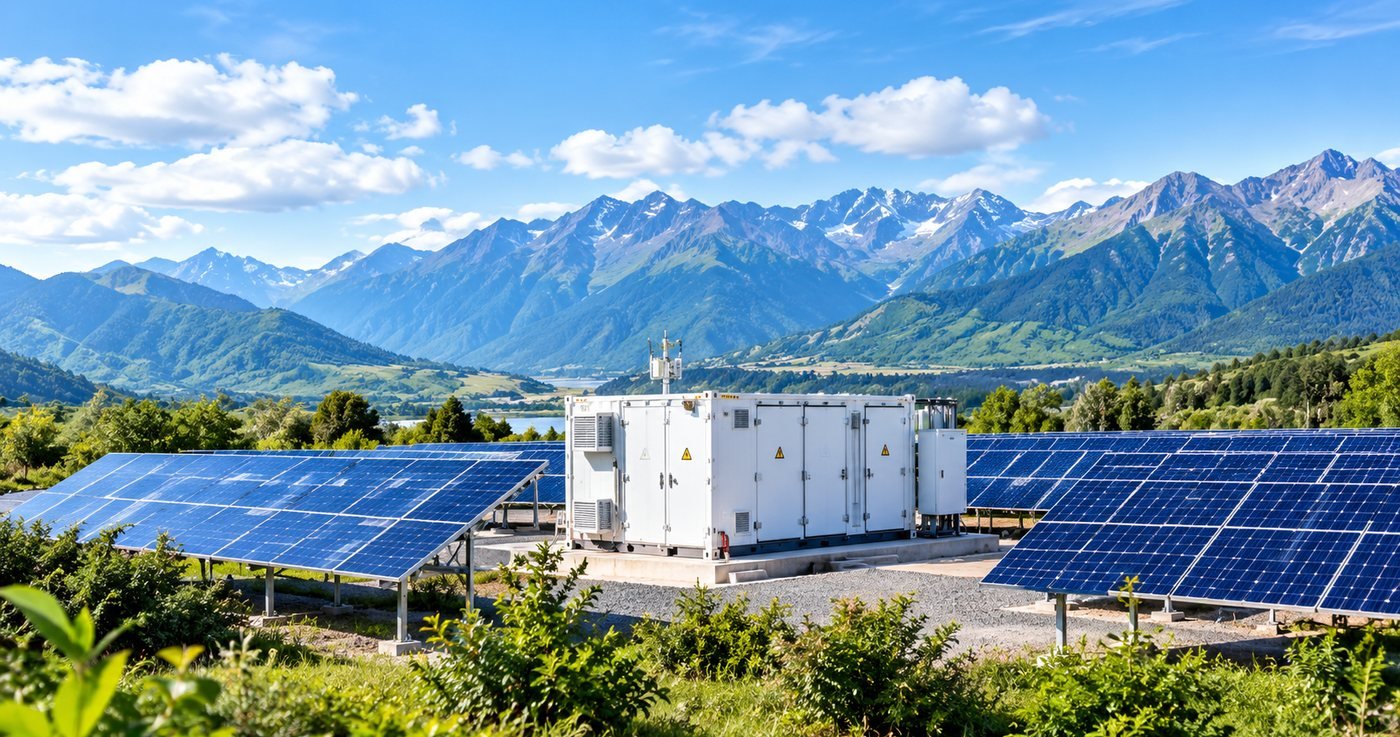
What Is the Working Principle of an Off-Grid Solar Power System? What Components Does It Consist of?
Read the full article →
PWM vs Standard MPPT vs Adaptive MPPT Charge Controllers: Differences and Application Scenarios
Read the full article →
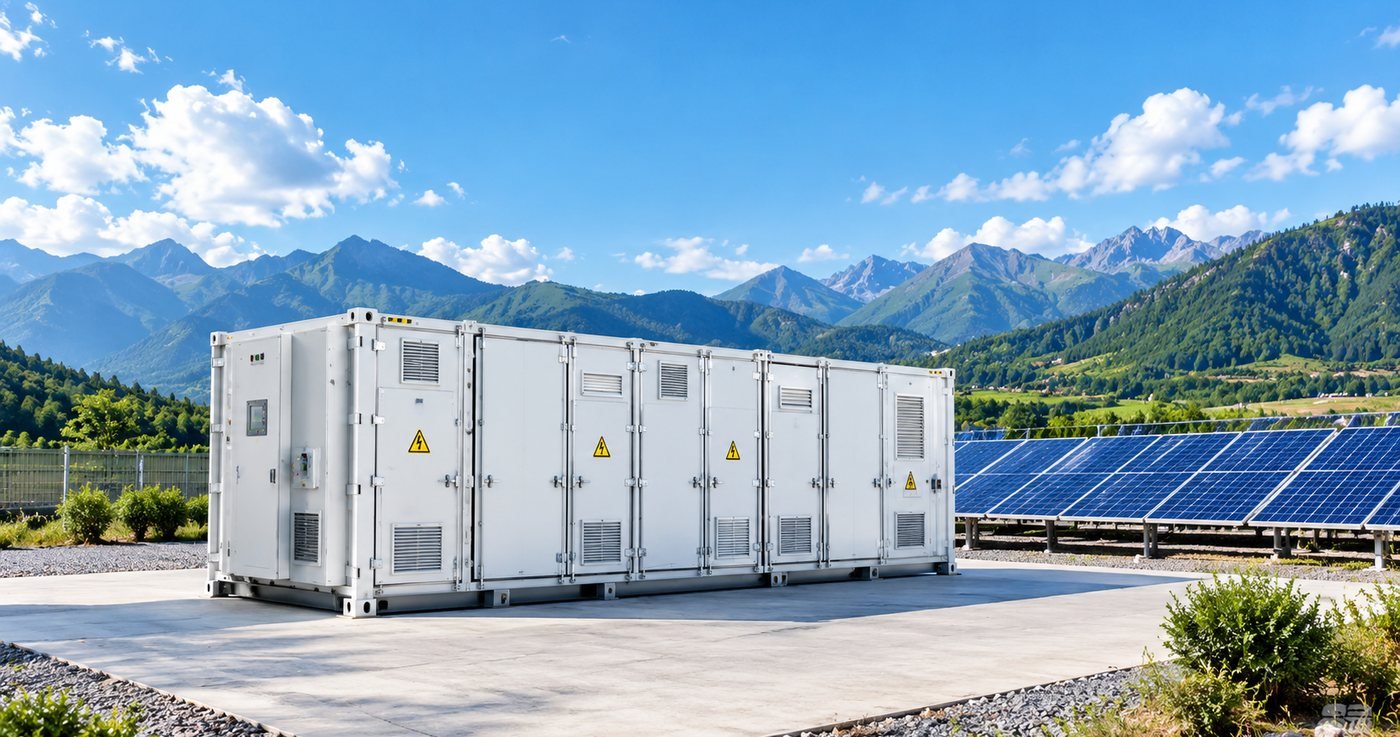
Off-Grid Solar Power Systems for Remote Sites
View products →