
What Is the Working Principle of an Off-Grid Solar Power System? What Components Does It Consist of?
1. Working Principle of an Off-Grid Solar Power System
Off-grid solar power systems work without connecting to the utility grid. Solar panels convert sunlight into DC electricity, the charge controller manages the power and charges the lithium battery, and electric energy is stored inside the battery.
At night or on cloudy days when there is no sunlight, the battery supplies stable power to loads such as CCTV cameras and IoT sensors. The whole cycle is autonomous — no grid connection, no diesel generator, no manual intervention.
2. System Workflow: From Sunlight to Load
- Solar panels convert sunlight into DC power.
- The solar charge controller regulates voltage and current to charge the battery and prevent overcharging.
- Energy is stored in the LiFePO4 battery pack.
- The battery discharges power to the load, while the controller protects the battery from over-discharge.
- Optional: if AC equipment is used, an inverter converts DC power to AC power.
Each step is monitored by the controller. If the battery voltage drops to the protection threshold, the controller disconnects the load to keep the battery healthy; when sunlight returns, charging resumes automatically and the load is reconnected.
3. Main Components of the System
1. Solar panel — harvests sunlight and generates DC electricity. Monocrystalline panels are used for outdoor monitoring systems because of their higher conversion efficiency and better low-light performance.
2. Solar charge controller (MPPT / PWM) — the core of the system. It controls charging and discharging, and protects the battery against overcharge, over-discharge, short circuit, and reverse connection. MPPT types deliver higher charging efficiency, especially in cold mornings and cloudy weather.
3. LiFePO4 battery pack — the energy storage unit that supplies power during the night or several consecutive rainy days. LiFePO4 chemistry is preferred for field sites because of its cycle life, high-temperature tolerance, and small footprint.
4. Load — the power-consuming devices, for example a 4G camera, an IoT sensor, a radar, or an outdoor speaker.
5. Inverter (optional) — converts DC to AC power for AC loads. It is not required for DC CCTV systems, and leaving it out avoids a 5–10% conversion loss.
6. Auxiliary parts — cables, fuse, lightning protector, and waterproof connectors. These are the components most often underestimated; undersized cable and a missing surge protector are common causes of field failures.
7. Cabinet and mounting bracket — the waterproof enclosure and pole bracket for outdoor installation, sized for the local wind load and temperature range.
4. How the Three Product Series Differ
- Low-power IoT solar system: ultra-low quiescent current controller, so the standby consumption stays in the microamp range.
- Small CCTV solar system: standard 12V DC platform with an MPPT controller, sized for one camera recording 24 hours a day.
- Heavy-duty high-power solar system: 24V platform with lightning protection and remote BMS monitoring, built for heated PTZ cameras, radar, and multi-device sites.
The components look similar on a datasheet, but the controller quiescent current, the battery chemistry, and the enclosure protection class are what separate a system that survives three winters from one that goes offline every rainy week.
5. What This Means for Your Project
When you specify an off-grid solar power system, start from the load rather than from the panel. Record the continuous wattage of every device, the hours it runs per day, the lowest solar irradiance month on site, and the number of days of autonomy you require. Those four numbers define the panel wattage, the battery capacity, and the controller rating.
If you cannot confirm these figures, send us your device list and installation region. Our engineering team will return a sizing calculation and a recommended configuration, free of charge.
Keep Reading
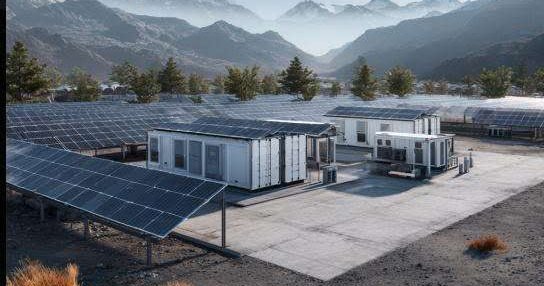
Why Solar System Classification Matters for Off-Grid Projects
Read the full article →
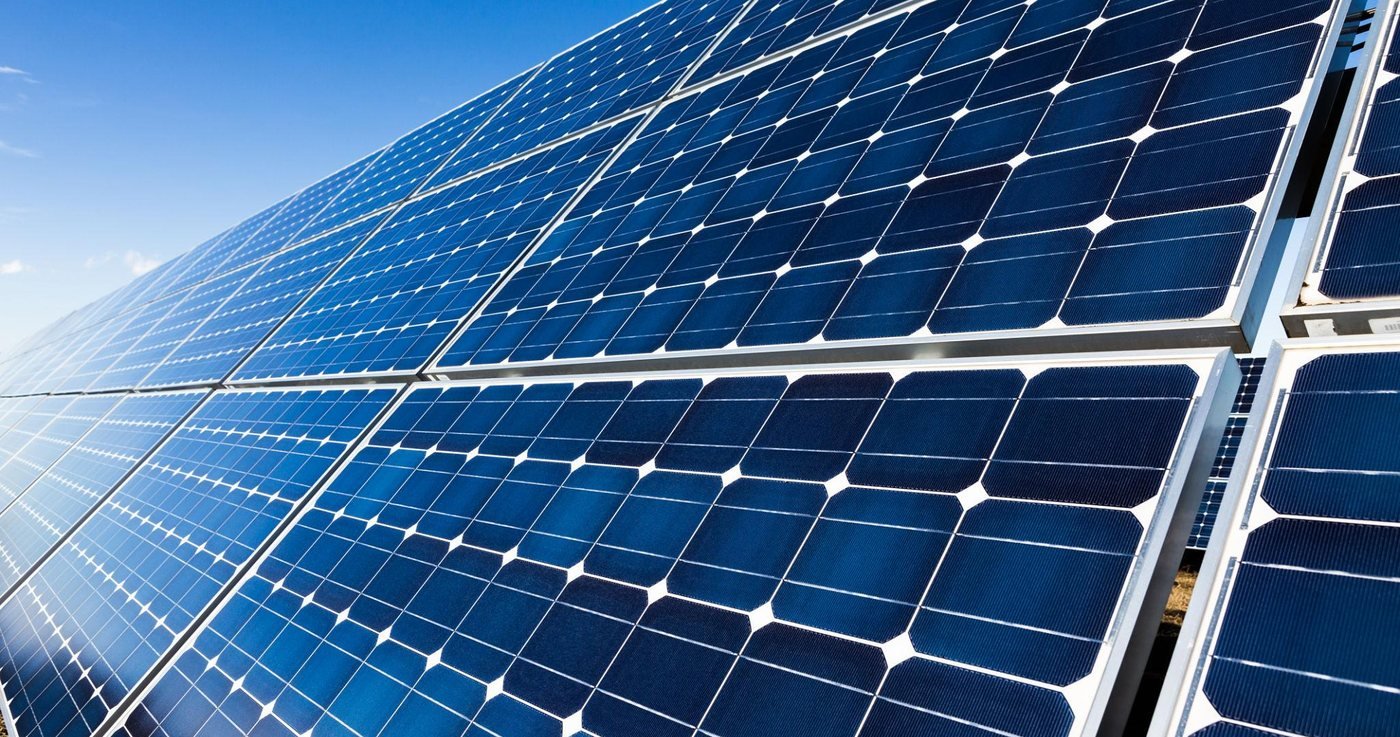
PWM vs Standard MPPT vs Adaptive MPPT Charge Controllers: Differences and Application Scenarios
Read the full article →
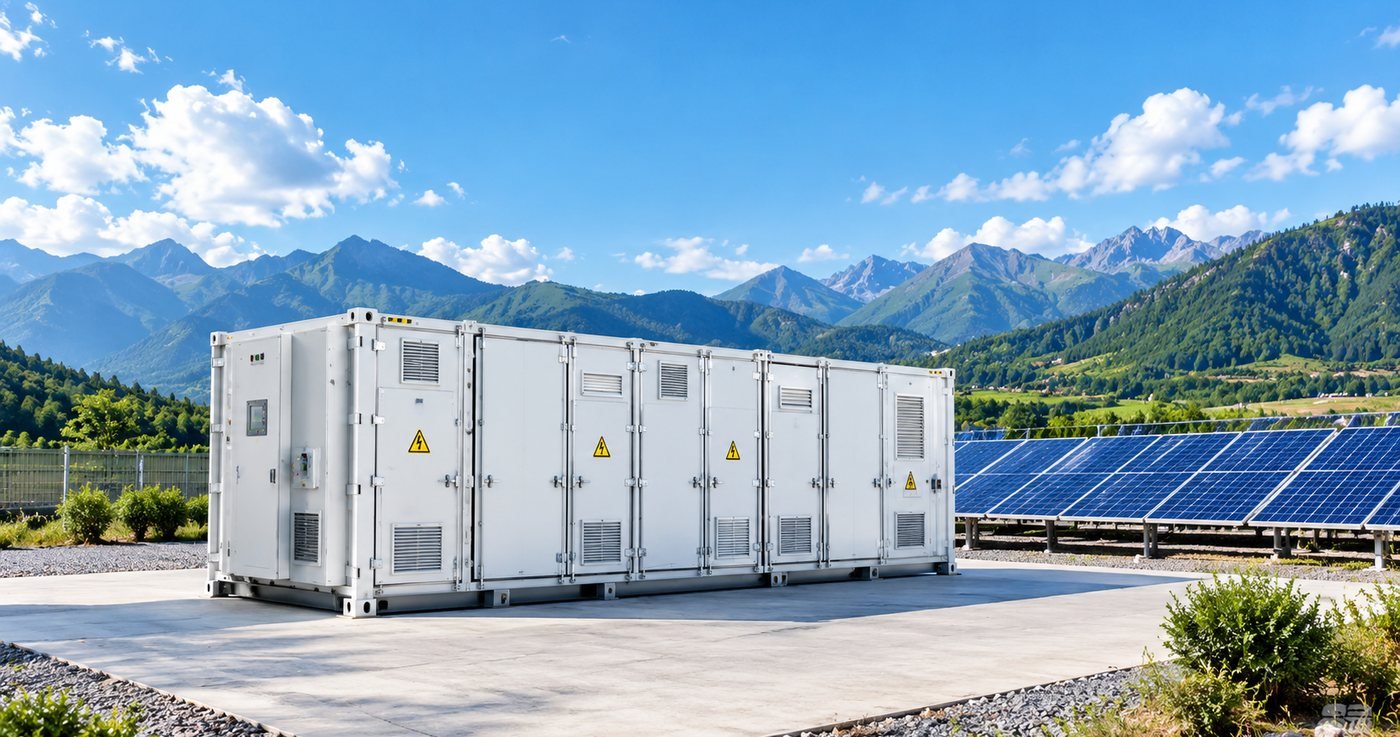
Off-Grid Solar Power Systems for Remote Sites
View products →